
The Benefits of Forest Bathing for Everyday Calm
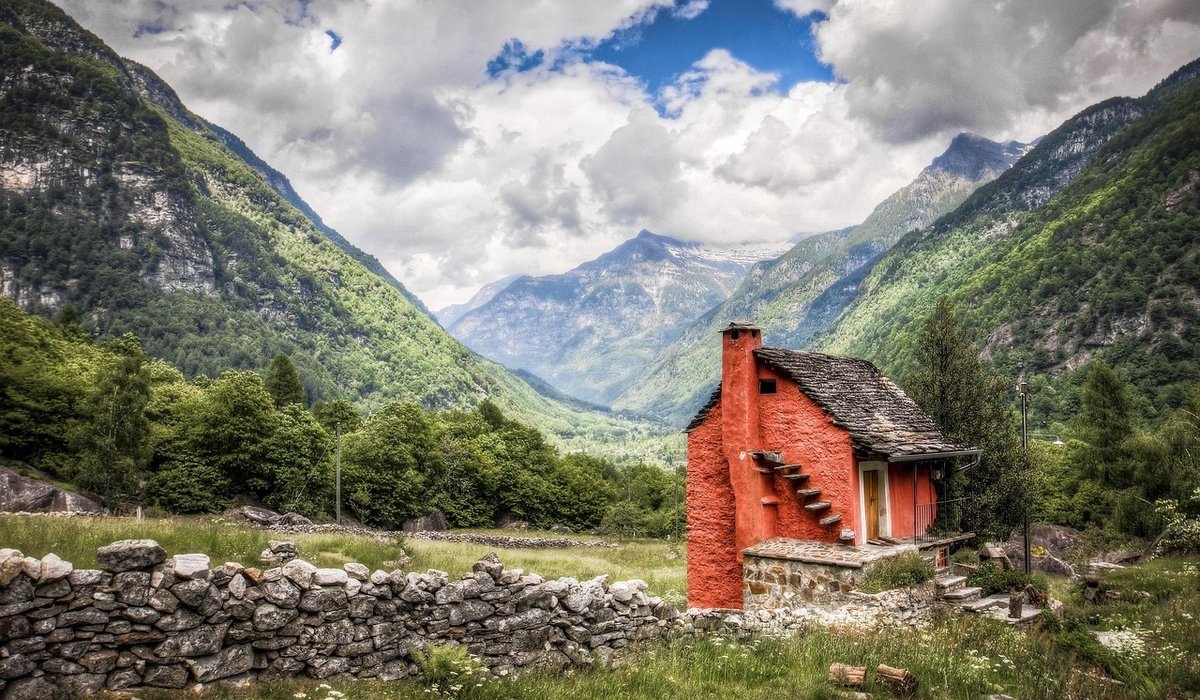
Let the Valley Set the Pace
A rural valley decides how fast you travel through it, whether you agree or not. The road bends where the river bends, the hedges crowd in, and the only straight stretch is the one where a farmer levelled a field two centuries ago. Fight that rhythm and you will spend the day watching the clock instead of the landscape. Work with it and a ten-mile valley can fill an entire day quite happily.
The trick is to plan for roughly half the distance you would attempt at home, then add an hour. If you usually cover sixty miles on a day out, plan thirty. If you would visit four villages, choose two. Slow travel through valleys is not about doing less for the sake of it; it is about leaving enough room in the day for the things you cannot schedule — the gate that opens onto a view, the sign for a churchyard, the pub garden that happens to face south.
Pick One Base and Stay There
The single biggest mistake in planning a valley itinerary is moving accommodation every night. Packing the car, checking out and finding a new lane to learn eats two or three hours of daylight, and those are the hours you came for.
- Book three nights minimum in one spot. Two nights gives you one full day; three gives you two, and the second is always better because you know where to park.
- Choose the head or the foot of the valley depending on what you want. The head is quieter, closer to high ground and often has the better early light. The foot usually has the shop, the station and the pub with longer hours.
- Stay within twenty minutes of the things you most want to see. Beyond that, the driving starts to dominate the day.
- Learn the local lane on your first evening — where it narrows, where the passing places are, where the cattle grid rattles. That knowledge pays back every morning.
Map the Lanes Before You Drive Them
A paper map at 1:50,000 scale, or better still 1:25,000, will tell you things a screen will not. Contour lines show you which side of the valley climbs. Green shading shows woodland. The difference between a yellow road and an unclassified lane matters enormously when you meet a tractor.
Single-track roads in the uplands have their own etiquette, and it is worth knowing before you meet your first oncoming van. Pull into a passing place on your left, or wait opposite one on your right if it is closer. Do not park in a passing place. Do not assume the other driver will reverse — the one nearer a passing place goes back, and locals know the road better than you do.
Expect cattle grids, unfenced sheep on the verges, and blind summits where the tarmac disappears. Fill the tank before you leave the last town; rural filling stations keep odd hours and some close on Sundays. Check your route on the map rather than trusting a satnav, which will happily send you down a track marked as a road on its database.
Build Slack Into Every Day
The most useful rule is simple: plan two stops and expect to manage one. Everything in a valley takes longer than the map suggests — a short walk becomes an hour, a cream tea becomes two, and a conversation with someone repairing a drystone wall can take twenty minutes and be the highlight of your week.
- Allow an hour for anything you think will take twenty minutes.
- Do not book timed activities back to back. If you must book a tour or a table, leave an hour of buffer either side.
- Keep the afternoon free. Morning light is reliable; afternoons are for following your nose.
- Aim to be back before dusk. Valley lanes are dark, and livestock do not read headlights.
Kit That Rewards a Change of Plan
Half the pleasure of a slow itinerary is being able to say yes when something appears. That means carrying the right things in the boot, not on your back.
- Walking boots and waterproofs, whatever the forecast. Valley weather turns fast, and a shower is often the best time to be out.
- A flask, a blanket and a folding stool. A bench with a view is a gift; a bench with hot tea is better.
- Binoculars. Buzzards, red kites, herons and, if you are lucky, an otter on the river at dusk.
- Cash for honesty boxes and car park machines, plus a few coins for the odd donation box.
- Layers and repellent. Midges in the west of Scotland in summer, ticks in long grass anywhere, and a breeze on the tops even in July.
Small Rituals and an Early Finish
Country pubs usually serve food between twelve and two, then again from six until eight or half past. Kitchens close early and without apology. Ring ahead if you are relying on a meal, or buy supplies in the village shop before it shuts at five.
Keep the last hour of daylight for a short walk from your door rather than a drive. This is when the valley is at its best: the light goes golden along the ridges, the swallows come down, and the day's driving is forgotten. Take a notebook and write down what you saw and where you stopped, because the places you stumbled upon are the ones you will want to find again.
Slow travel through rural valleys is not a technique so much as a decision to let the landscape lead. Plan loosely, drive less, stop more, and leave the itinerary with a few blank spaces in it. Those are the parts you will remember.
LEAVE A COMMENT