
Packing Essentials for a Comfortable Countryside Retreat
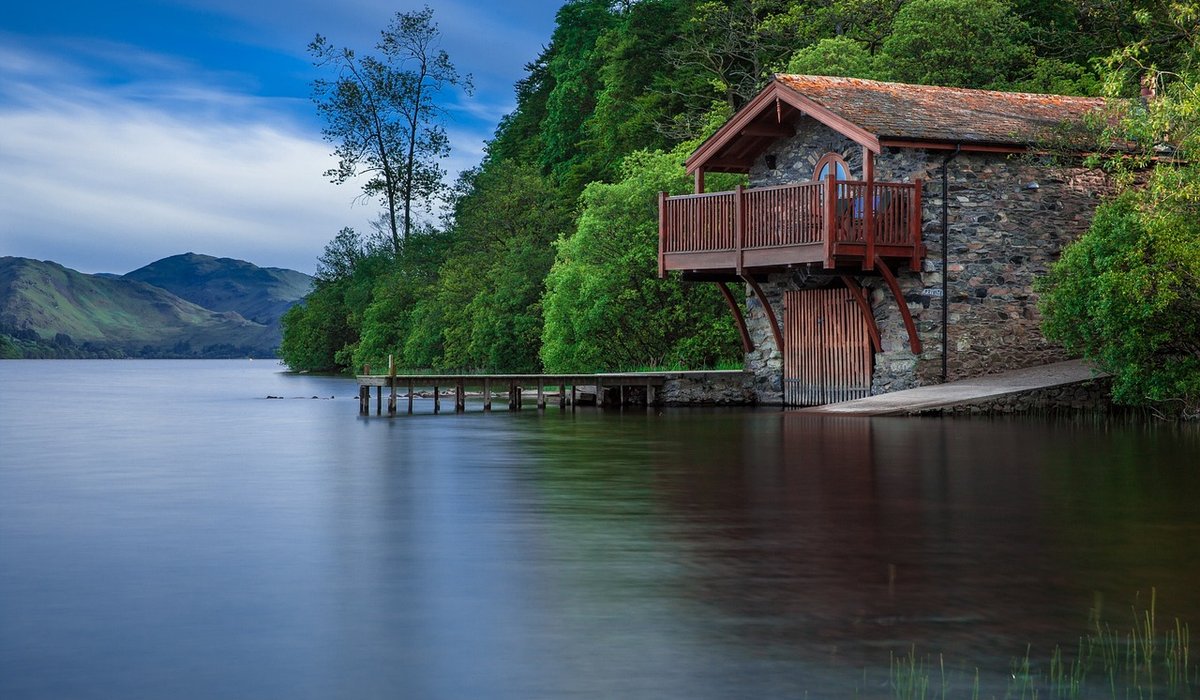
The appeal of a countryside cottage for a weekend break is easy to understand: log fires, long walks, and a chance to slow down. But the difference between a restful escape and a disappointing one often comes down to details that listing photos never show. By thinking carefully about location, access and quiet, you can choose a cottage that genuinely restores you.
Look Beyond the Listing Photos
Photos are styled, professionally lit, and taken on the sunniest day of the year. They show the best angles, but they also hide a great deal. Before you book, try to imagine what is outside the frame. Is there a road just beyond that hedge? A farmyard? A neighbour's window looking straight into the living room? If a floor plan is available, study it. A tiny cottage with low beams can be charming, but it may feel cramped for four adults and a dog. Watch for words like "compact" and "cosy" – they often mean small. Check bed sizes too: a double might be four foot six rather than a king. If sleep matters, a good mattress is worth more than a decorative throw.
Location Matters More Than You Think
A remote cottage sounds idyllic, but consider how you will spend your days. If you dream of walking to a pub for dinner, a cottage five miles down a single-track lane means driving every time. If you crave absolute silence, a cottage on the village green may echo with children playing at dawn. Think about what you will hear. A main road a field away can be surprisingly loud at night, especially in winter when the leaves have fallen. A working farm might have tractors rumbling early. A church clock may chime every hour. None of these are deal-breakers, but knowing helps. Also think about the season: summer brings tourists and birdsong, winter brings dark evenings and possibly icy lanes.
Access and Arrival
The journey matters as much as the destination. Check the approach road: is it a rough track, and will your car manage? Some cottages have steep driveways or require a short walk from parking. If you plan to arrive after dark, ask about outdoor lighting and key collection. Think about the nearest shop. If you intend to cook, a twenty-minute drive to a supermarket is fine, but a forty-minute round trip for milk becomes tedious. Check mobile signal and Wi-Fi if you need them – but also decide whether you want to be disconnected. Parking should be off-road and secure. For a weekend, you want to unpack and forget the car.
The Quiet You Actually Want
Quiet is not simply the absence of noise. It is the right kind of sound, or the right kind of silence. Some people find total silence unnerving; others need it. Consider natural sounds: a babbling brook is lovely, but a rushing river after rain can be loud. Owls at night and cockerels at dawn are part of the charm for some, a nuisance for others. If you are sensitive to light, check for blackout curtains. Think about neighbours too. A converted barn next to the owner's house may mean you hear their comings and goings. A detached cottage down a lane offers more privacy. Read reviews for mentions of noise, but remember that some people complain about anything. Look for repeat guests – they often signal genuine peace.
Practical Comforts for a Restful Stay
A restful weekend depends on a few basics: reliable heating, hot water, and a comfortable bed. In winter, check the heating type. A log burner is atmospheric but requires work; storage heaters can be unpredictable. Ask if logs are provided. In summer, check for fans or shaded outdoor space. In the kitchen, a decent knife and a cafetière make a difference if you plan to cook. A dishwasher or washing machine is not essential for a weekend, but it is a bonus. Outdoor space matters too: a bench with a view, a fire pit, a barbecue. But be realistic. If it rains, you will want a sofa that seats everyone comfortably.
Ask the Right Questions Before You Book
A few polite questions can save a lot of disappointment. Before you commit, ask the owner about the following:
- Road noise: How close is the nearest road, and is there traffic at night?
- Regular sounds: Are there church bells, farm machinery, or delivery lorries?
- Water pressure: Is there a power shower, and does it work well?
- Connectivity: What is the mobile signal like, and how fast is the Wi-Fi?
- Dog-friendly details: If you are bringing a dog, is the garden enclosed?
- Arrival: What are the check-in and check-out times, and how do you collect the key?
- Local walks: Are there footpaths from the door, and is a map provided?
If you have specific needs, such as allergies or mobility concerns, mention them. A good owner will be honest. If you are unsure, consider booking a shorter break first; two nights can tell you a great deal.
Ultimately, the perfect countryside cottage is the one that matches your version of rest. Some people thrive on complete isolation, while others want a pub within walking distance. Some love the crackle of a fire, others prefer underfloor heating. By looking past the photographs and asking practical questions, you give yourself the best chance of a weekend that leaves you refreshed rather than merely relieved to be home.
LEAVE A COMMENT