
Making the Most of a Rainy Day in a Countryside Cottage
Why Small Choices Matter in Fragile Places
Britain's nature reserves are remarkable precisely because they are so heavily used and so carefully managed. A single heathland site might support rare sand lizards, nesting nightjars and a carpet of lichen that takes decades to establish — all within a few metres of a car park. That closeness is what makes these places special, and it is also what makes them vulnerable.
The good news is that protecting them rarely demands grand gestures. Most of the damage done to reserves comes from small, repeated actions: a boot placed on a fragile dune, a dog chasing a ground-nesting bird, an apple core tossed into the undergrowth. The habits below are simple, free and genuinely effective. Adopt them and you will leave every reserve exactly as you found it — or better.
Stick to the Path, Even When It Looks Pointless
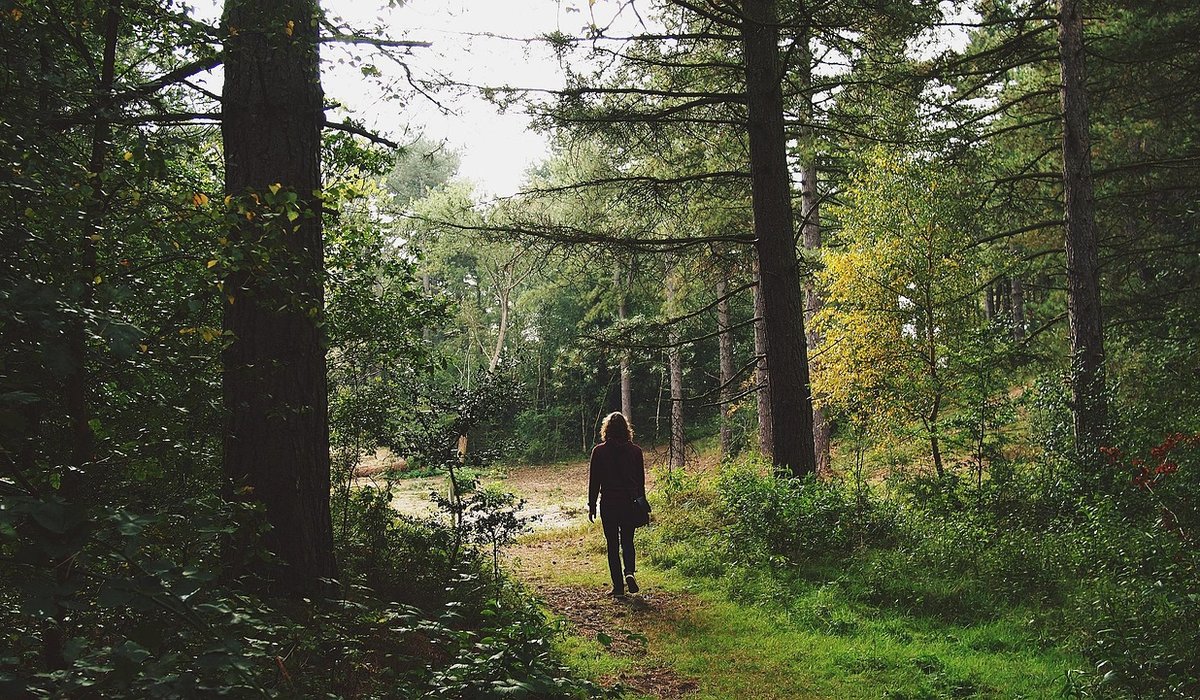
It can feel faintly ridiculous to walk a gravel trail when a wide, inviting patch of grass stretches ahead. But paths exist for a reason, and it is rarely about your convenience.
Compaction is the quiet killer of reserve habitats. Every footstep presses soil particles together, reducing the air pockets that plant roots and soil invertebrates need. A single straying walker does little harm; a hundred a week turns a delicate mossy hollow into a bald, muddy patch that may never recover. On dunes and moorland, the effect is even starker — a worn line through heather can take years to heal.
- Walk single file on narrow trails, especially through wildflower meadows and heath.
- Step around, not over any rope, log or sign marking a sensitive area. They are there because something rare lives beyond them.
- Resist shortcuts at switchbacks and corners, where erosion bites first.
- If the ground is boggy, turn back rather than widening the path to avoid the mud.
Off-path damage also spreads seeds and spores on muddy boots. Clean them before you leave and before you arrive at your next reserve.
Take Everything Home — Including the Things That Rot
Orange peel takes up to two years to break down in a British climate. Banana skins can take just as long. Apple cores attract rats and foxes, which then predate ground-nesting birds and raid the very nests the reserve is protecting. Even a dropped sandwich crust changes foraging behaviour.
The rule is straightforward: if you carried it in, carry it out. That includes:
- Fruit peel and cores, nut shells, and any food scraps.
- Tissues and wet wipes, which do not decompose as advertised.
- Dog waste bags — yes, even the biodegradable ones. Bag it and bin it, or take it home.
- Cigarette ends, which are plastic and a serious fire risk on dry heath.
Bring a small dedicated bag or pouch for rubbish so it never ends up loose in a pocket. If you find litter left by someone else and you can pick it up safely, do. Most wardens would rather you carry out a crisp packet than report it.
Keep Dogs Close, Controlled and Out of the Water
Dogs are welcome on many reserves, but a reserve is not a park. Wildlife here reacts to dogs as it would to a predator, and the stress is real even when no chase happens.
Ground-nesting birds such as skylarks, lapwings and curlews abandon eggs at the first sign of a dog off the lead. In spring and summer, a single loose dog can clear an entire meadow of nesting pairs. Disturbance in winter matters too, when wildfowl need to conserve energy to survive cold nights.
- Check the reserve's dog policy before you go — some allow dogs only on leads, and a few exclude them entirely during breeding season.
- Use a short lead (around two metres) near water, livestock and anywhere birds are visible.
- Prevent swimming in ponds and streams. Dogs stir up sediment, disturb spawning fish and can carry disease between water bodies.
- Call your dog back from the path edge rather than letting it nose into undergrowth.
If your dog has poor recall, choose a reserve with wide, open trails or walk elsewhere during nesting season. That is not a compromise — it is good manners and good conservation.
Watch Wildlife Without Changing It
Getting a closer look is natural, but distance is a form of respect. If an animal changes what it is doing because of you, you are already too close.
- Use binoculars or a zoom lens rather than stepping nearer.
- Never feed wildlife — bread harms waterfowl, and handouts make animals dependent and aggressive.
- Keep quiet near hides and along reedbeds, and close gates gently.
- Leave flowers, stones, antlers and shells where they lie. They are part of the habitat, and picking them is often illegal on protected sites.
- Do not fly drones over reserves; the noise alone disturbs birds for miles.
Plan Ahead to Tread More Lightly
A little forethought removes most of the pressure before you arrive. Travel by public transport, bike or on foot where you can, and share lifts otherwise — busy rural lanes and overflowing verges cause real damage.
Visit at quieter times: early mornings, midweek and outside bank holidays. Stick to waymarked routes, take a map rather than relying on phone signal, and carry out what you bring in. Buy a coffee from a village café rather than leaving packaging in a car park bin that will overflow by Sunday afternoon.
None of this is difficult, and none of it spoils the day. If anything, moving slowly and deliberately makes you notice more: the flash of a red admiral, the rattle of a woodpecker, the scent of wet bracken. Look after these places quietly, and they will keep offering that back to you for years to come.
LEAVE A COMMENT